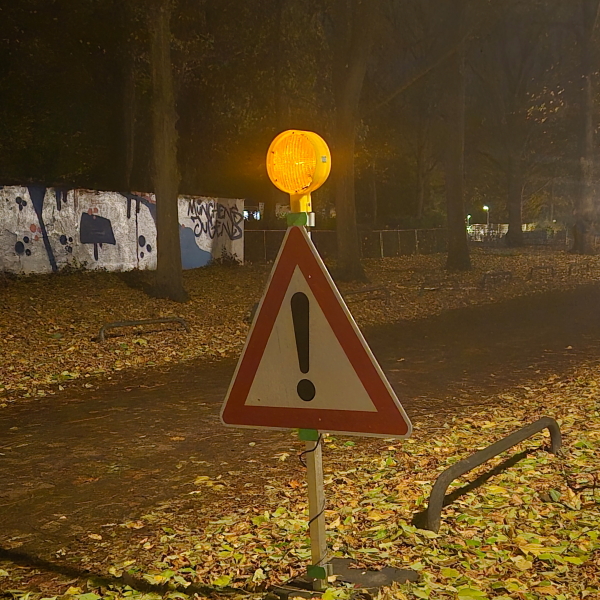
Fragezeichen nach 100 Metern.
Attention! – Question mark after 100 meters.

Texte und Bilder /// Texts and Images
Fragezeichen nach 100 Metern.
Attention! – Question mark after 100 meters.
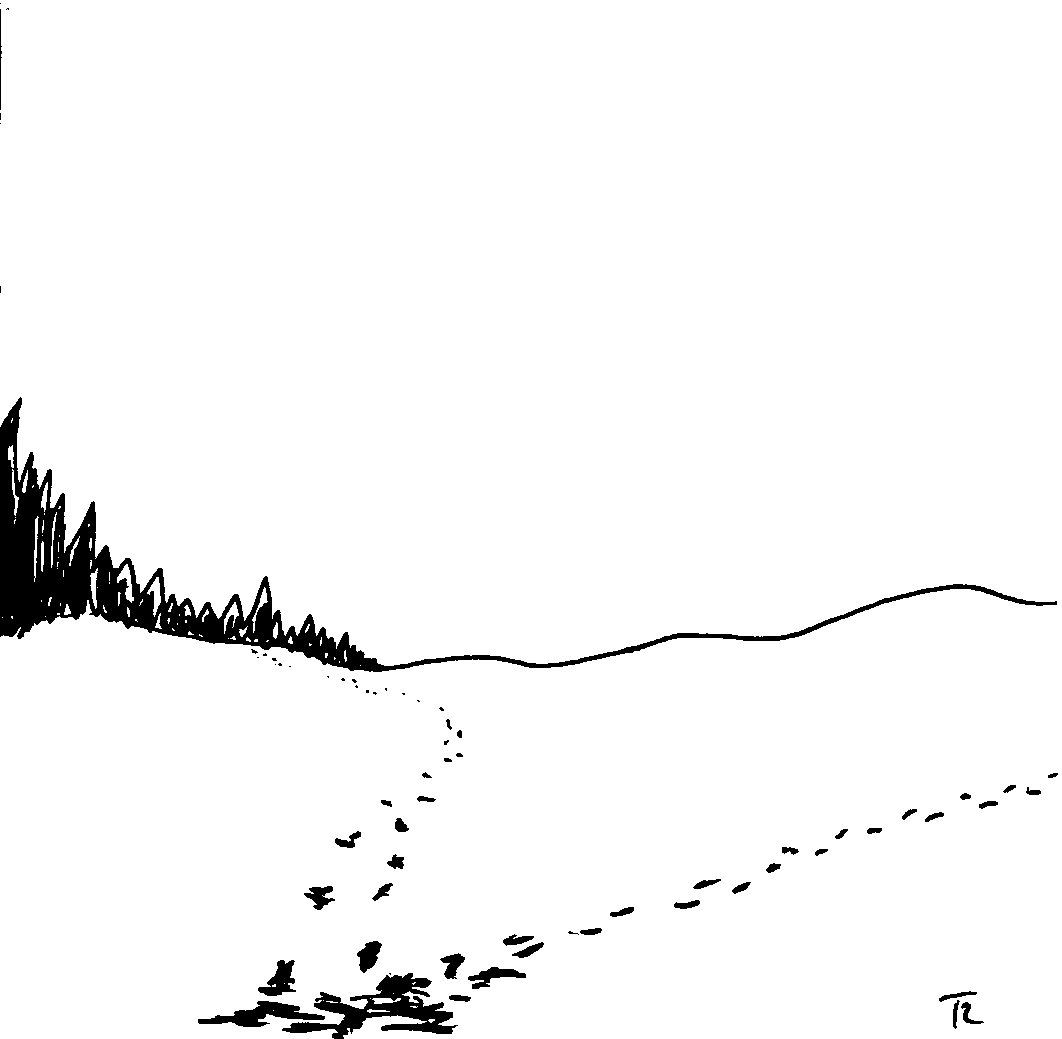
Tut mir leid, aber Sie sind zu spät, der Nikolaus hat zwei Stunden gewartet und lässt ausrichten, dass Sie sich nächstes Jahr die Mühe sparen können, einen Wunschzettel für Weihnachten zu schreiben.
Too late! – I’m sorry, but you’re too late. Saint Nicholas waited two hours and wants to tell you that next year you can save yourself the trouble of writing a Christmas wish list.
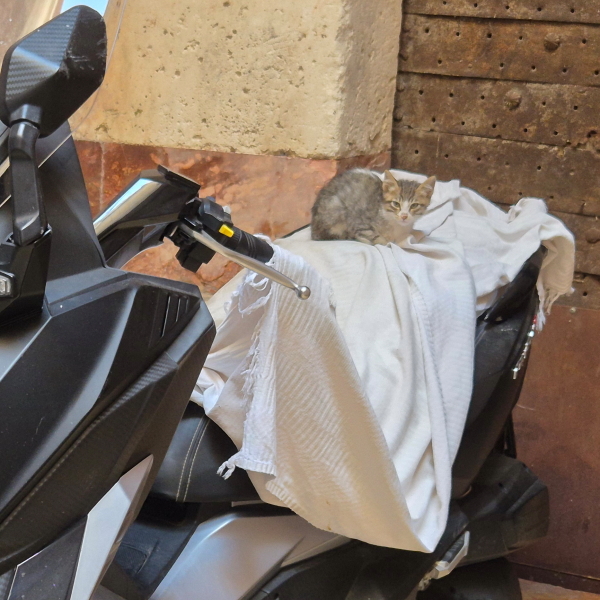
Die Katzen von Jerusalem wissen, dass man es sich überall bequem machen kann, wenn man es nicht unbequem haben möchte, während die Menschen in Jerusalem behaupten, man könne es sich nicht bequem machen, weil es dem bösen Nachbarn nicht gefalle. Man könnte in Jerusalem noch einiges mehr von den Katzen lernen.
The Cats of Jerusalem – The cats of Jerusalem know that you can make yourself comfortable anywhere if you don’t want to be uncomfortable, while the people of Jerusalem claim you can’t make yourself comfortable because the wicked neighbor won’t like it. There’s still a lot more to learn from the cats in Jerusalem.
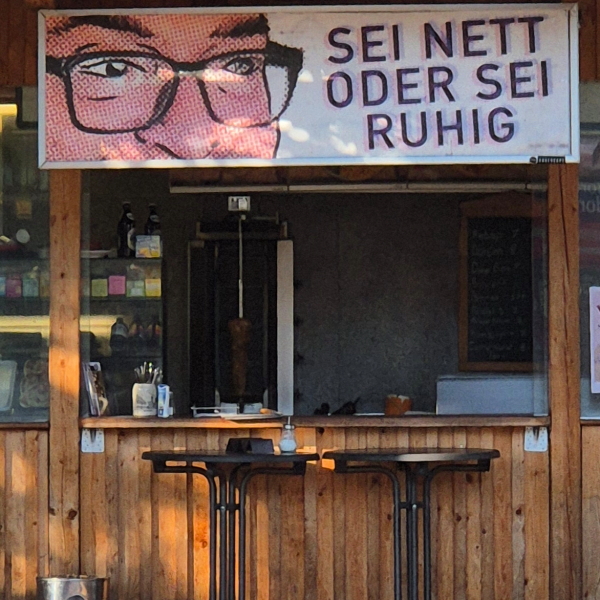
Meine Lieblingsmenschen schaffen beides zugleich, aber man darf die Leute nicht überfordern.
Good advice – My favorite human beings manage to do both at the same time, but you mustn’t overburden people. („Be nice or be quiet“)

Ein im übertragenen und im wörtlichen Sinn sehr entfernter Verwandter mit einem komischen Namen hat eine Frau geheiratet, die zufälligerweise den gleichen komischen Namen trägt, aber angeblich weder eine nahe noch eine ferne Verwandte ist. Berühmt sind die beiden trotz ihrer übertragenen und wörtlichen Entfernung, weil sie beide auf dem Standesamt darauf bestanden, ihren Nachnamen zu behalten. Der Standesbeamte musste nach der Zeremonie in Frühpension geschickt werden. Andere entfernte Verwandte berichten, die beiden hätten sich nach Jahren einmal beschwert, dass niemand sie besuchen würde. Als man ihnen den Grund erklärte, seien sie eingeschnappt und hätten den Kontakt abgebrochen.
From the family album – A very distant relative, both figuratively and literally, with a strange name, married a woman who just happened to have the same strange name, but was supposedly neither a close nor a distant relative. Despite their figurative and literal distance, the couple became famous because they both insisted on keeping their surnames at the registry office. The registrar had to be put on early retirement after the ceremony. Other distant relatives report that, years later, the couple complained that no one visited them. When the reason was explained, they took offense and broke off all contact.
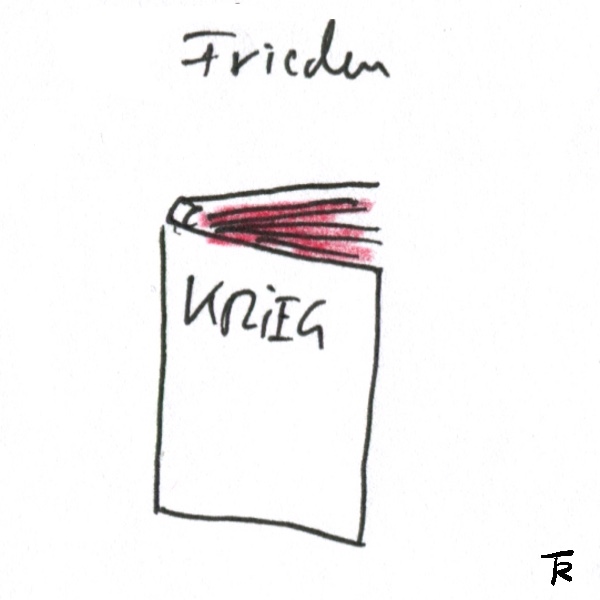
Nonsense doodle – Peace, war.

Amerikanische Wissenschaftler haben festgestellt, dass Farben aus sehr kleinen Teilchen bestehen, die nur über sehr kleine Gehirne verfügen und darum als im Grunde schwachsinnig betrachtet werden müssen. Daher überrascht es nicht, dass Farben vor allem dummes Zeug von sich geben und selbstverständlich knallharte Rassisten sind. In Experimenten weigerten sie sich kategorisch, sich miteinander zu vermischen und wurden schon blass vor Schreck, als man auch nur die Möglichkeit dessen erwähnte. Welche Konsequenzen sich daraus für die moderne Malerei ergeben, bedarf weiterer Untersuchungen.
Science news – American scientists have discovered that colors consist of very small particles with only very small brains, and therefore must be considered essentially imbecilic. That is why it is no surprise that colors mainly spout nonsense and are, of course, blatant racists. In experiments, they categorically refused to mix with one another and turned pale with fright at the mere mention of the possibility. The implications of this for modern painting require further investigation.

Wenn im Spätherbst auch das letzte Segel verwelkt ist, dann zerdrückt der Segler eine Träne und freut sich auf das Frühjahr.
The sailing season is over – When the last sail has withered in late autumn, the sailor sheds a tear and looks forward to spring.

If the children are not like you
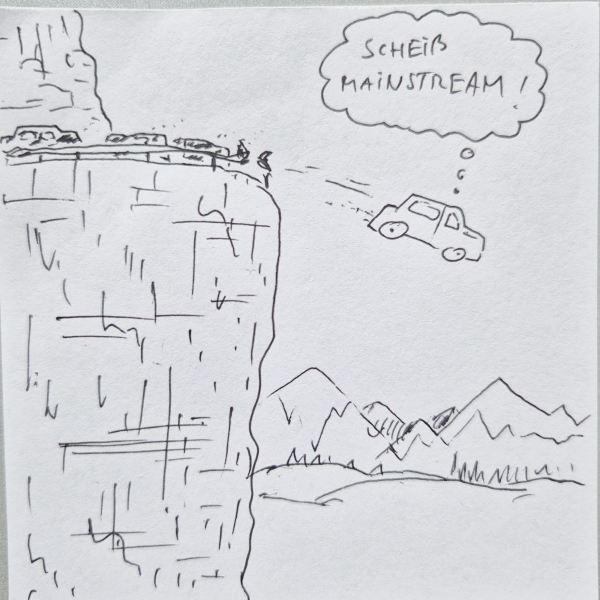
Famous last words – „Fucking mainstream!“